
In short
- Dry seasons (late June to October, mid-December to February) offer firm trails.
- Rainy seasons make the clay paths extremely muddy and slippery.
- Mornings provide clear skies for viewing the Kibo peak.
In this article
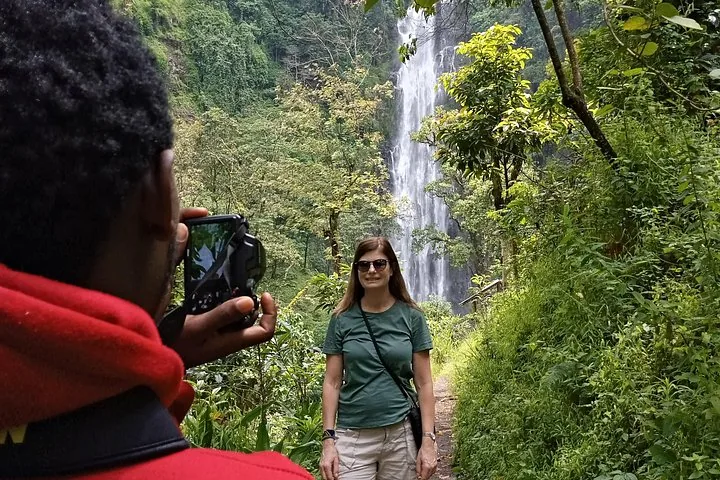
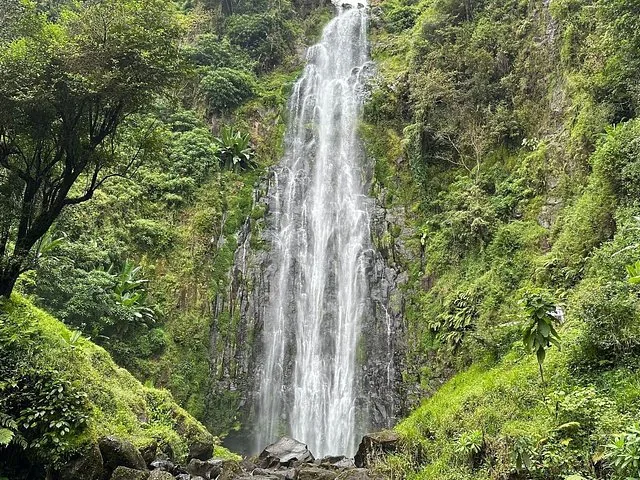
Materuni Waterfall is open year-round, but weather heavily dictates the trail conditions. Since the dirt and clay paths sit between 1,700 and 2,500 meters above sea level, rain makes the 3-kilometer hike difficult.
What is the best season to hike Materuni Waterfall?
The best time to hike is during the dry seasons, from late June to October and mid-December to February.
During these months, the trails are mostly dry and stable. The 45 to 60-minute walk each way is much easier to navigate when the clay is not saturated. You can read more about what to pack in our Packing Guide guide.
Can you hike Materuni Waterfall in the rainy season?
Yes, but the clay path becomes extremely muddy and slippery.
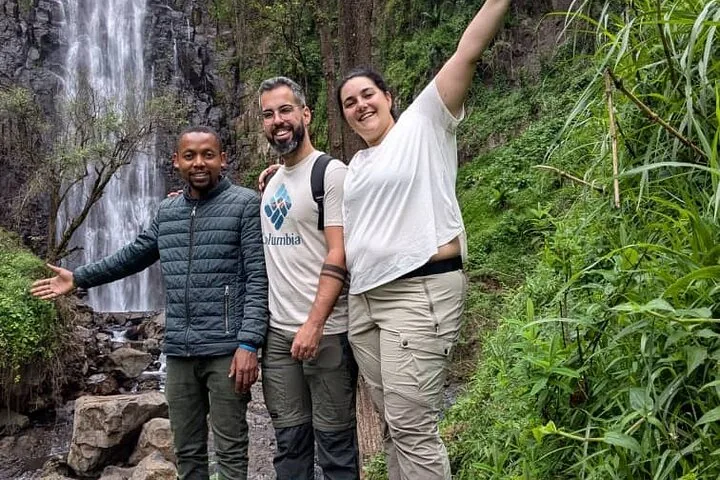
If you visit outside the dry season, expect difficult hiking conditions. The trail takes longer to traverse, and deep treads on your shoes are mandatory. The waterfall flow is heavier, but the hike requires careful steps.
What time of day is best for clear views of Kilimanjaro?
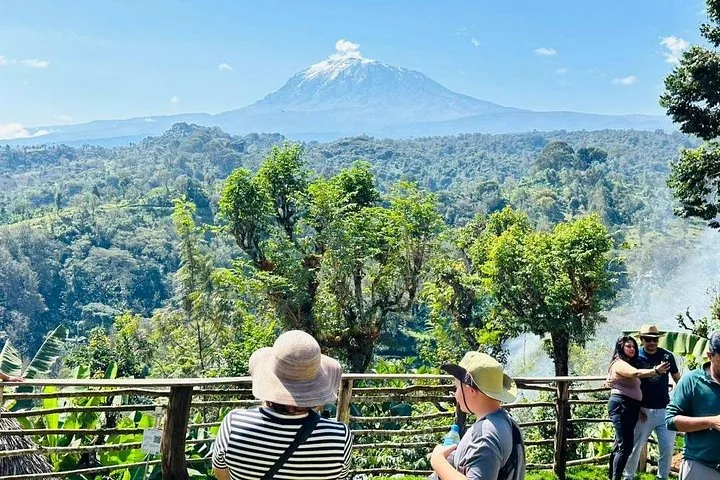
Mornings offer the highest chance to see the snow-capped Kibo peak from the trail.
Cloud cover typically rolls in during the afternoon. Starting your hike from the village office early ensures clearer skies at the viewpoints along the route. The drive from Moshi takes 40 to 45 minutes, so plan to leave town soon after breakfast.
Is it cold at Materuni Waterfall?
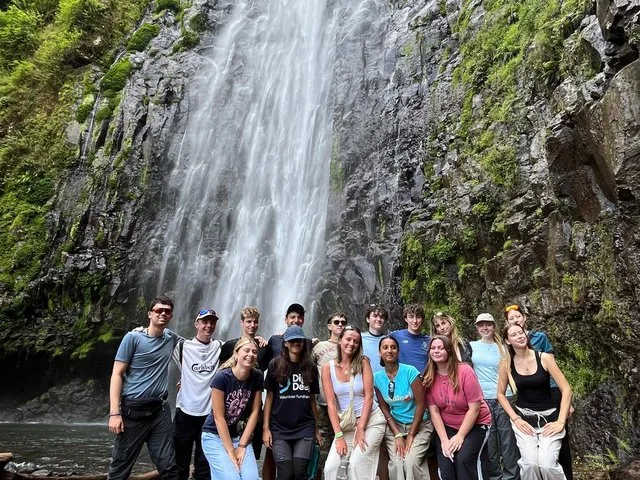
The air is cool due to the elevation, and the plunge pool water is very cold.
The village sits at approximately 1,700 meters, and the waterfall base is higher. Weather on the mountain changes rapidly. Bring a warm fleece for the hike and a quick-dry towel if you brave the glacier-fed water.
How do trail conditions compare across the year?
Dry months offer firm ground, while rainy months bring deep mud.
The table below summarizes the conditions based on the typical weather patterns on the lower slopes of Mount Kilimanjaro.
How much time do you need at Materuni Waterfall?
A full visit takes half a day to a full day, depending on your activities.
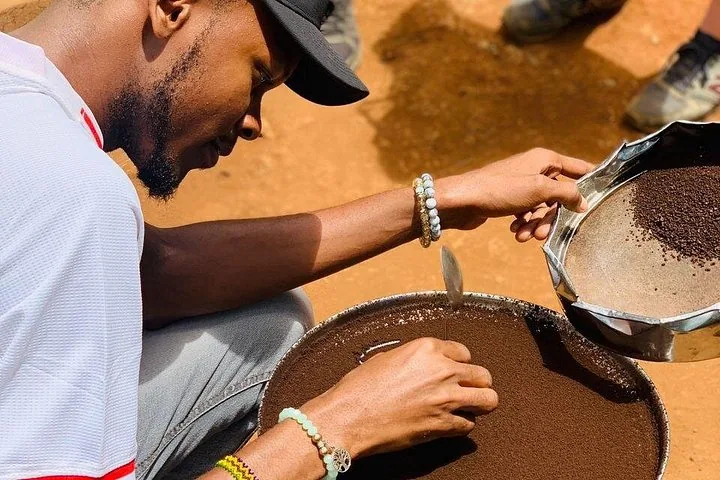
The hike itself requires about two hours round-trip. Most visitors also spend an hour at the Chagga coffee farms and 45 minutes for a traditional lunch. Booking a guided day trip bundles these smoothly.
Questions travellers ask
When is the best time to visit Materuni Waterfall?
The best time to visit is during the dry seasons: late June to October and mid-December to February.
Is the Materuni Waterfall hike difficult?
The 3-kilometer trail is mostly dirt and clay. It is moderate during dry weather but becomes difficult and very slippery during the rainy season.
Can you see Mount Kilimanjaro from Materuni Waterfall?
Yes, there are clearings along the hike with views of the Kibo peak, but mornings offer the best visibility before clouds gather.